
Biology 5 (Plants 1) Student Workbook
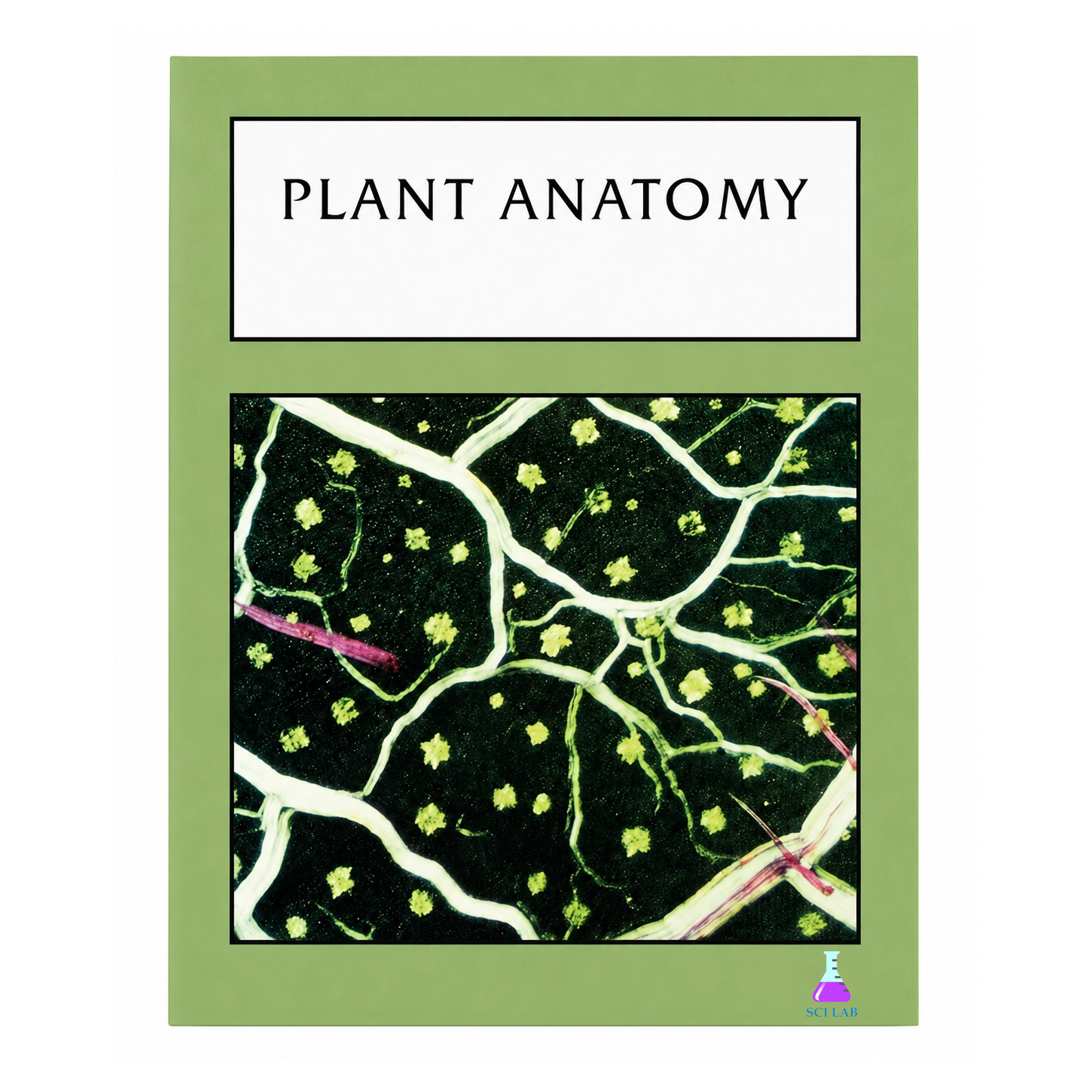
Product Code : SCL-PL-12333
The Biology 5 (Plants 1) Student Workbook is a printed book for students on the plant biology topic named in its title. It is easy to carry between classroom, lab and home, and schools can order it together with plant models, slides and practical sets for the same lessons.
Specifications of the Plants 1 Student Workbook
| Specification | Value |
|---|---|
| Type | Student workbook, printed book |
| Subject | Biology: plants (Plants 1) |
| Title | Biology 5 (Plants 1) |
| Care | Keep away from fire |
| Supplied by | Science Lab Supplies, Ambala, India |
Plant Practicals to Pair with the Workbook
Teachers often pair a plant biology workbook with hands-on work. Plant practicals that suit this topic include:
- Seed germination: record shoot growth of bean seeds kept in light and in dark, using seeds and materials from a set such as the Biology Set BP1: Plants 1.
- Leaf structure: draw and label the tissues after studying the Transverse Section of the Leaf model.
- Photosynthesis tests: tabulate the results of starch or gas tests and explain them in a short conclusion.
Keep the workbook clear of burners and wet benches during practical work.
Frequently Asked Questions
How should a method be written for a plant practical?
Write numbered steps in the order you did them, with amounts, times and the equipment used. Another student should be able to repeat the practical from your method alone and get comparable results.
What makes a good drawing of a plant specimen?
Use a sharp pencil and clean single lines with no shading. Draw only what you see, keep parts in proportion, add a title and magnification, and label with ruled lines that do not cross.
Why explain the results and not just describe them?
Describing says what happened, such as longer shoots in the dark. Explaining uses biology to say why it happened and links the result back to the hypothesis, which is what a conclusion should do.
How should a hypothesis be written?
State a testable prediction that links the two variables, for example that seedlings kept in the dark grow longer, paler shoots than those in light. Add a short biological reason for the prediction.
Which book details should a distributor check before ordering?
The edition, ISBN, publisher, language, level, page count and binding, and whether a teacher guide or other books go with it. These details show whether the workbook matches the syllabus and class level of the schools it is offered to.
Is a workbook ordered for each student?
Usually, yes. Students write and draw in a workbook, so each copy is used up by one learner, unlike a textbook that later classes can reuse. Printed workbooks are normally protected by copyright, so photocopying a class set is not a substitute.
Related Plant Biology Teaching Models
- Model of the Plant Cell: part of the wall removed to show the membrane, vacuoles, plastids, mitochondria and nucleus.
- Dicotyledon Flower Model: three-dimensional PVC model, 180 x 300 x 60 mm.
- Root Tip Model: shows the inner vasculature and the outer root hairs of a root tip.
- Kit for Experiments on Photosynthesis: photosynthesis cell with a CO2 sensor and a platinum temperature sensor.
- Cross Section of the Stem: PVC model coloured with non-toxic dyes, 300 x 400 mm.
This book is listed under Biology Lab Equipment with the plant teaching items, part of School Lab Equipments.
Books and lab items from Science Lab Supplies can go to Rwanda, South Africa, Qatar, Sri Lanka, Vietnam and Malaysia under its Importer-Exporter Code. Send class numbers through the contact page or the enquiry cart to receive a quotation.
Last updated: 17 November 2026


